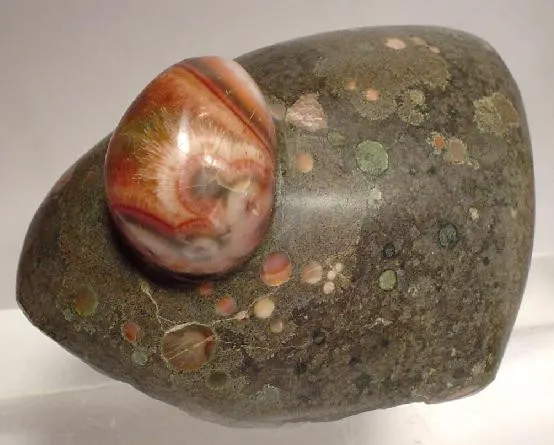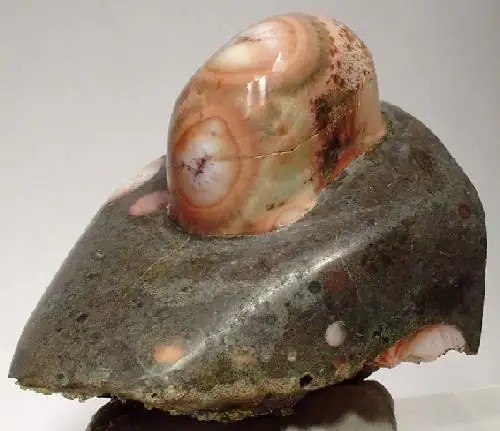
Chlorastrolite (greenstone)
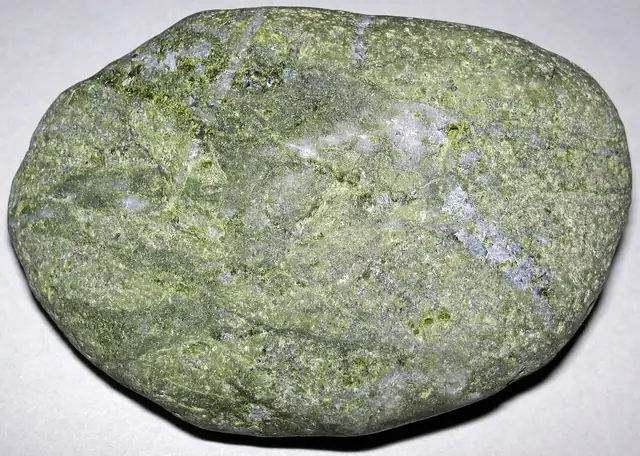
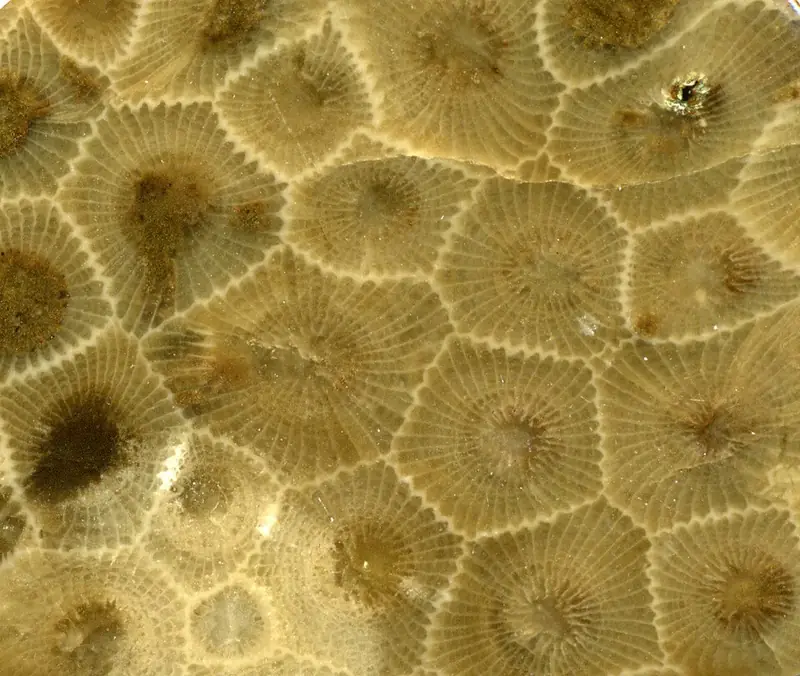
"small rounded beach pebbles showing a finely radiating or stellated pattern of slender crystals." The name means "green star stone"; colors range "from yellowgreen to almost black."
Details
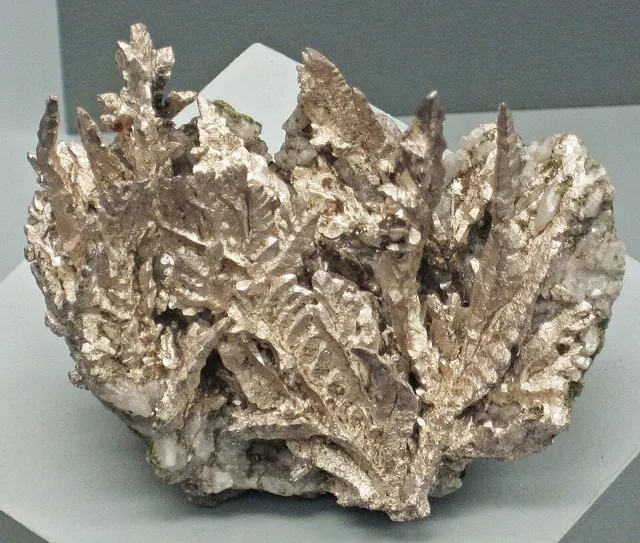
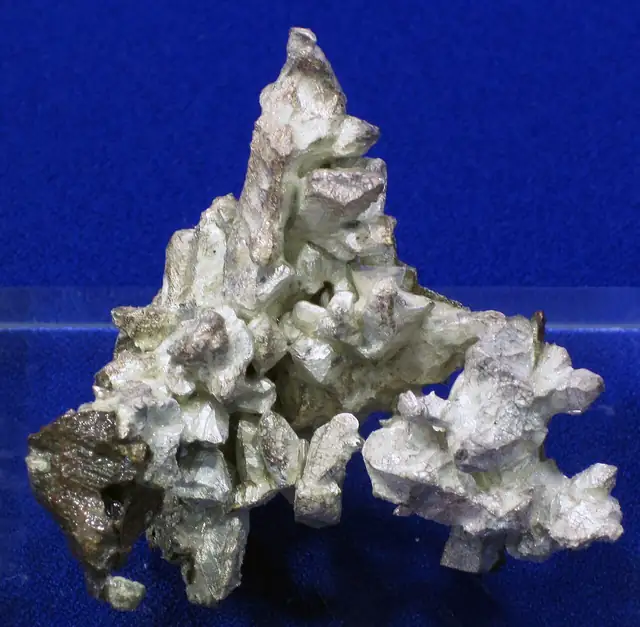
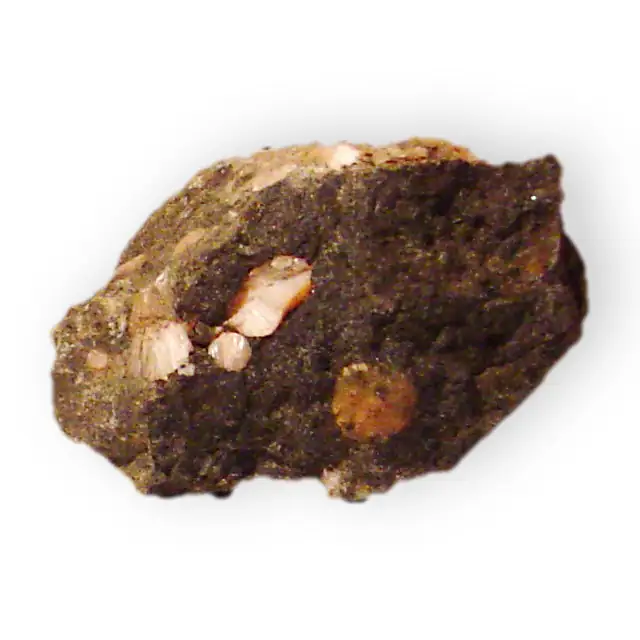
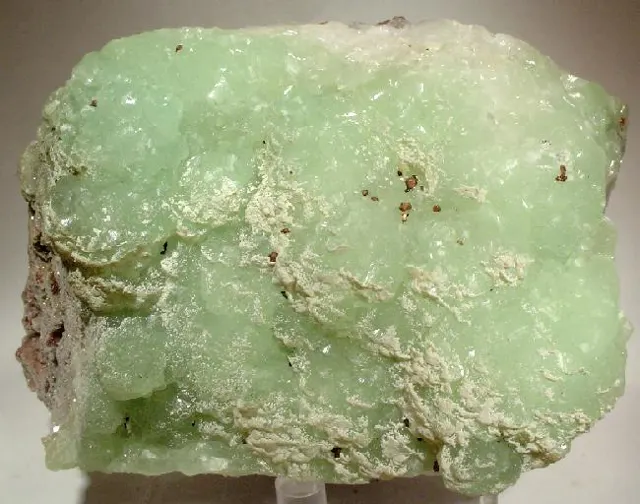
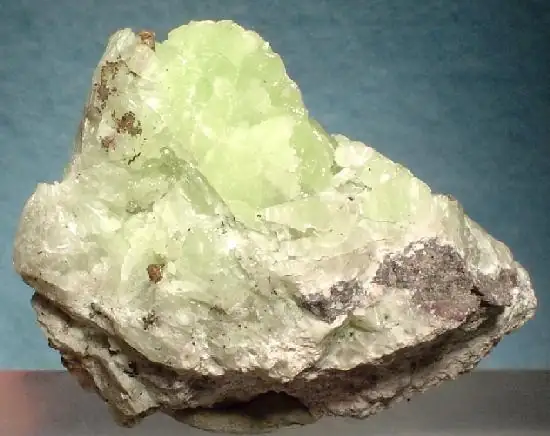
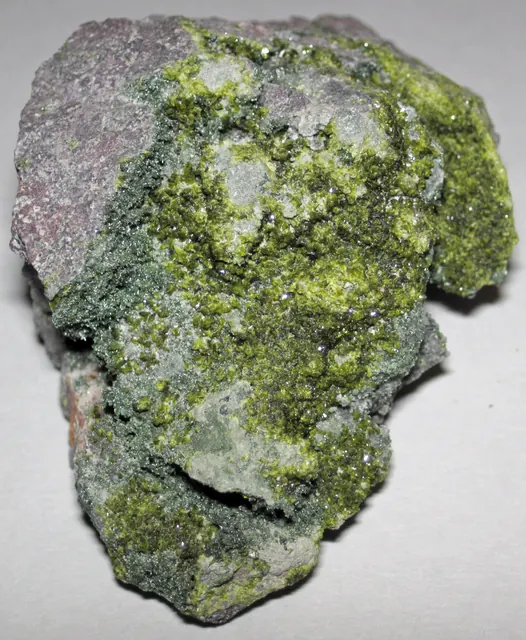
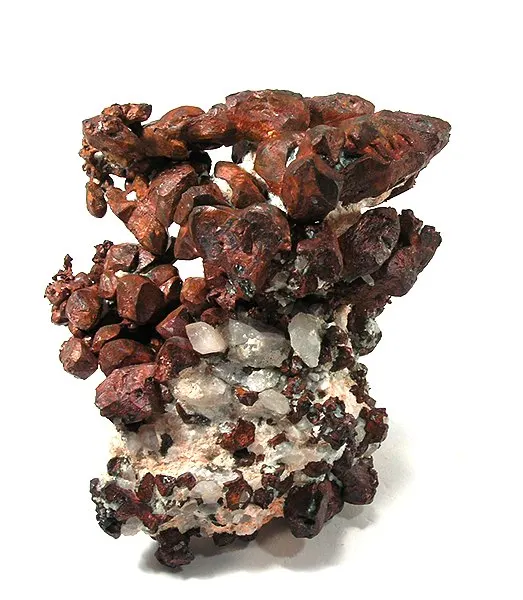
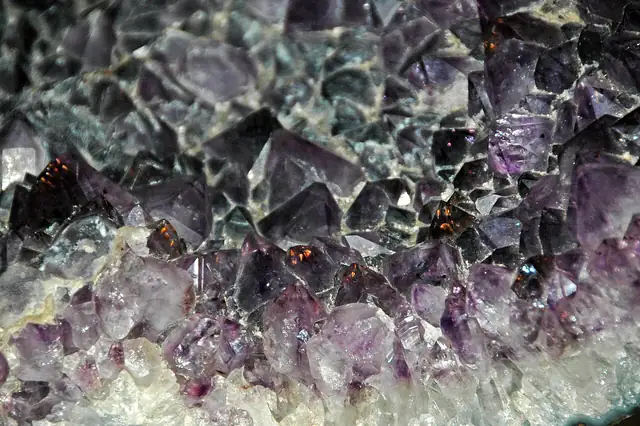
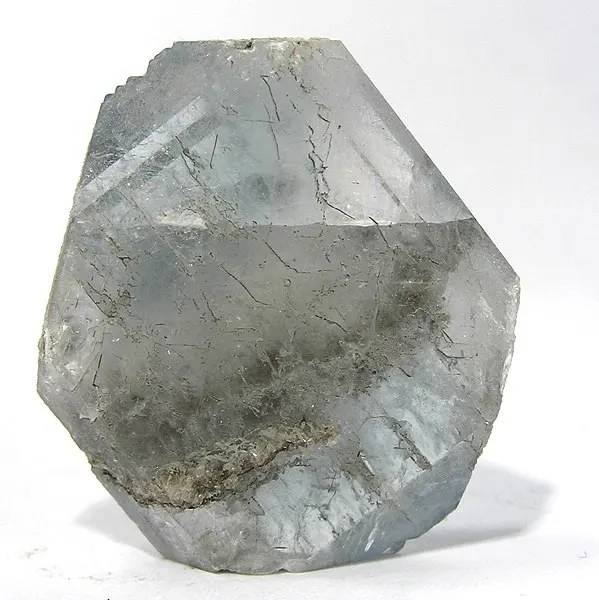
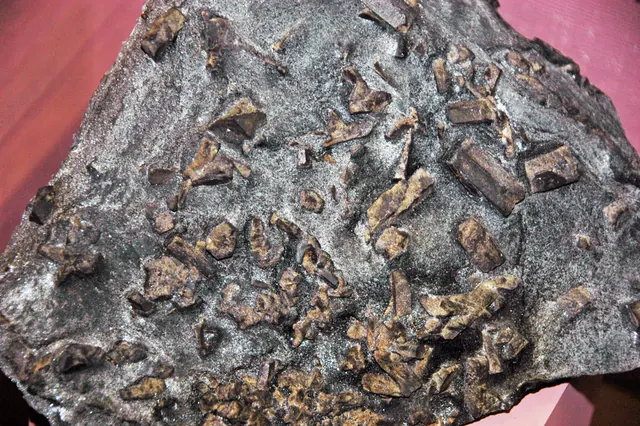
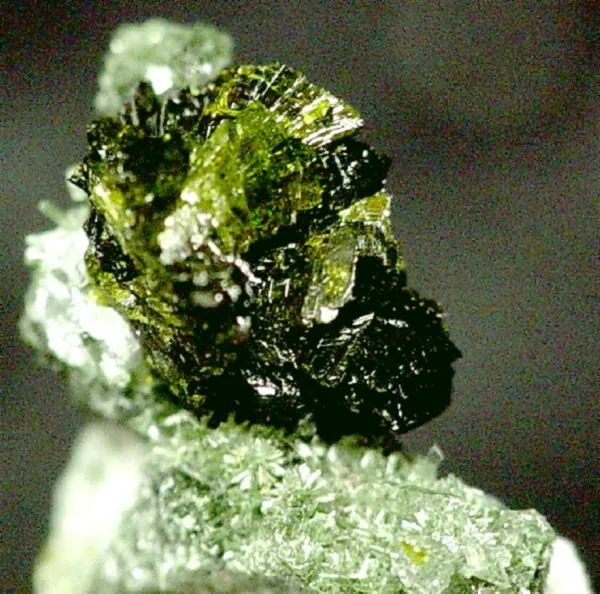
Pumpellyite-(Mg) crystals on quartz, Copper Falls Mine, Keweenaw County (raw mineral, not a polished greenstone) Photo: Robert M. Lavinsky, CC BY-SA 3.0
- What it is
- Michigan's state gem, "a variety of the mineral pumpellyite." State law: "Chlorastrolite, commonly known as greenstone, is adopted as the official gem of this state." (MCL 2.17, 1972)
- Age
- Formed in the Keweenaw lava flows of the Midcontinent Rift, which erupted about 1,109 to 1,087 million years ago.
- Where
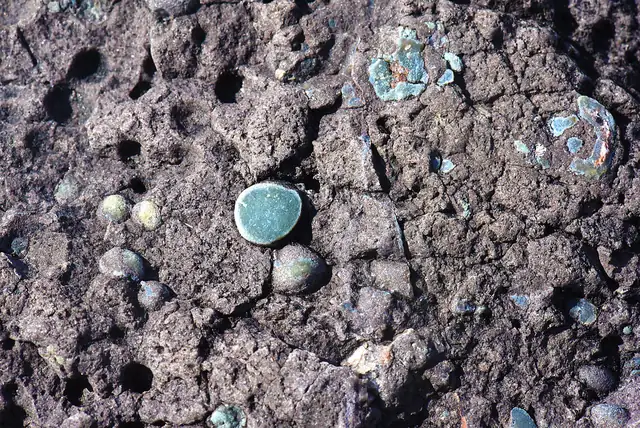
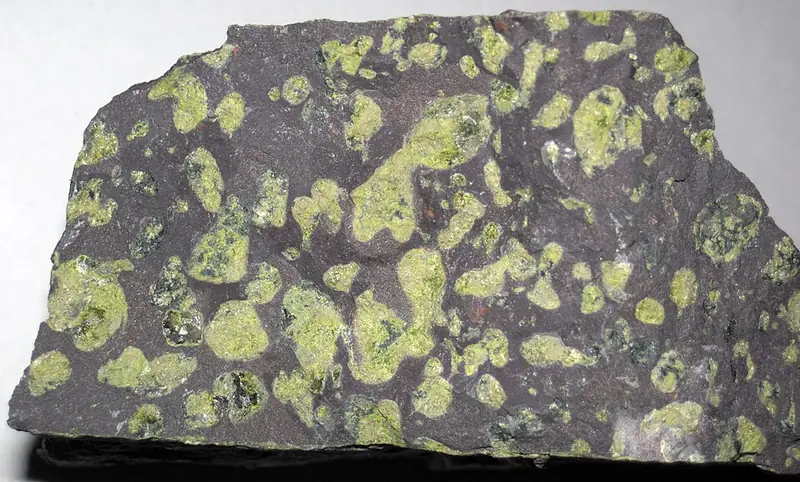
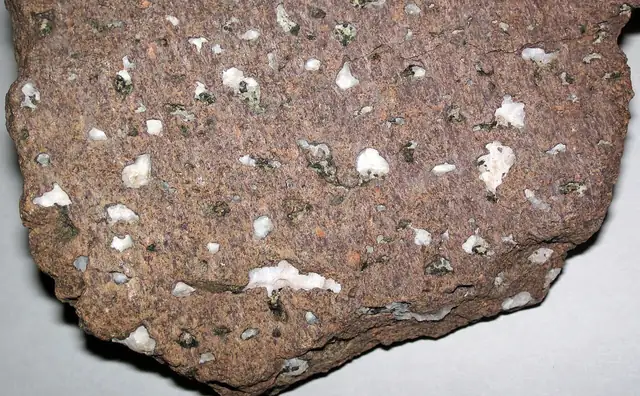
- "greenstones form inside the bubble holes in lava flow tops ... on the beaches of the Keweenaw or isle Royale they weather out." Central and Delaware are two places with greenstones on rock dumps.
- How to spot it
- "small rounded beach pebbles showing a finely radiating or stellated pattern of slender crystals." The name means "green star stone"; colors range "from yellowgreen to almost black."
- Look-alikes
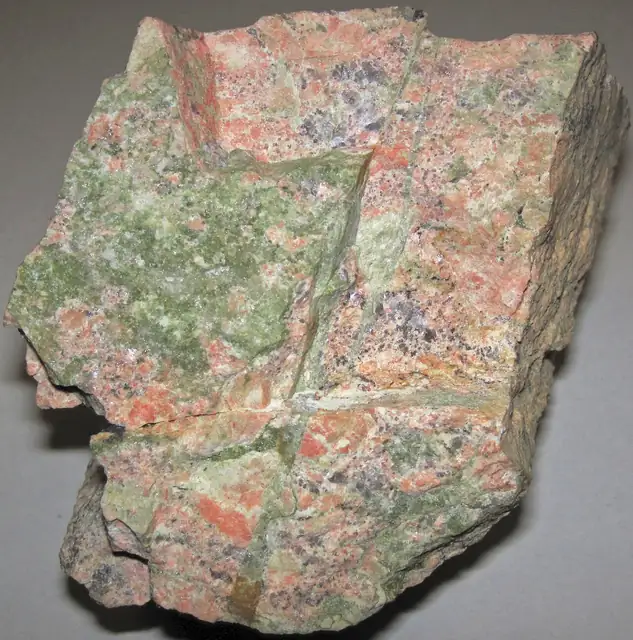
- Epidote: "Much of the pumpellyite is bluish-green in contrast to the epidote, which is yellow-green."
No collecting at Isle Royale National Park. Mine dumps are private land.